Insect outbreak risks are rising—but so are sustainable solutions.
Canada is a forest nation. Our forests cover nearly half of the country and sustain far more than scenery. These ecosystems absorb carbon, prevent erosion, purify air and water, provide habitat for plants and wildlife, and support community well-being with deep cultural and spiritual significance. The forestry sector is also a major contributor to the economy.
In recent years, concerns have grown around the health of Canadian forests, driven by both natural and human factors. One issue is insect infestation reaching epidemic levels. A prime example of this can be seen along BC’s Coquihalla Highway between the Lower Mainland and the Okanagan, where, concerningly, many trees appear to be brown and dying.
Under normal conditions, insects can play a constructive role in forest health. For example, mountain pine beetle outbreaks may remove the largest and oldest trees, allowing younger trees to accelerate growth while supporting forest renewal. But when outbreaks become large-scale, hit vulnerable habitats, or both, ecological integrity suffers. The more severe and frequent the infestations, the more likely even healthy trees will be negatively affected.
Insects to Watch
Examples of insect infestations that have impacted Canadian forests include:
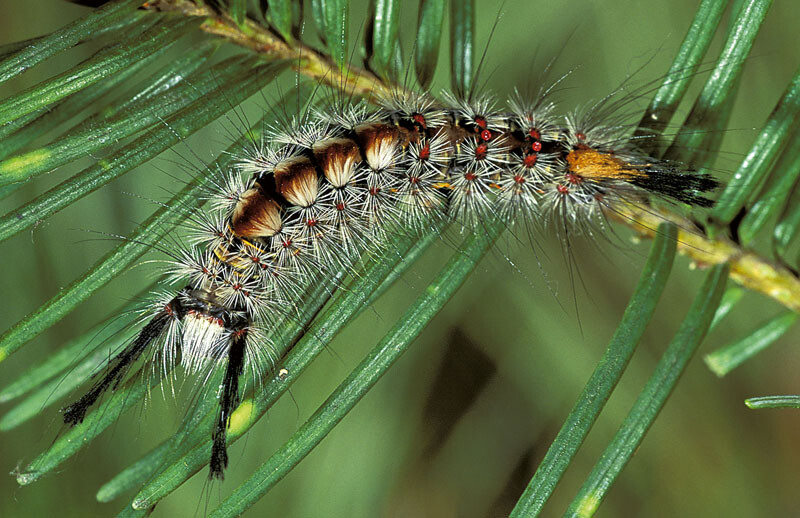
- Douglas-fir Tussock Moth: A native insect that has impacted Douglas-fir and other similar coniferous trees most prominently across the interior of BC. Outbreaks typically occur in cycles of approximately 7 to 11 years, and the larvae feed on needles, causing defoliation and tree death.
- Mountain Pine Beetle: A native insect that has increased in population due to warmer winters. It has destroyed millions of hectares of pine forests and is now spreading to jack pine.
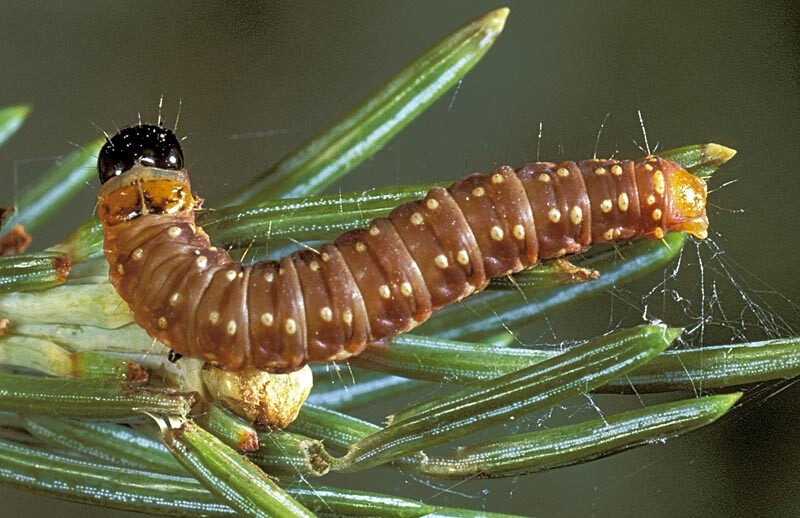
- Spruce Budworm: The most widespread and damaging native defoliator of coniferous trees in North America, present in every Canadian province.
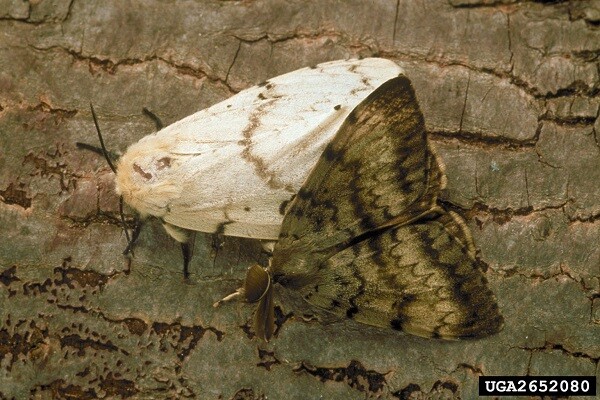
- Spongy Moth (formerly Gypsy Moth): An invasive defoliator affecting eastern provinces and detected in BC. The moth has a broad diet, feeding on over 300 species of trees and shrubs, favouring hardwoods like oak and maple.
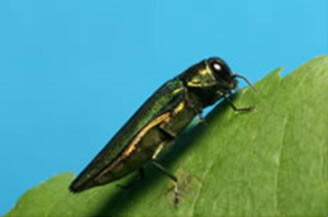
- Emerald Ash Borer: An invasive beetle introduced from Asia with no natural predators in Canada. It has significantly impacted ash tree populations in Ontario and Quebec.
Climate Stress Is Amplifying Risk
While average global temperatures are expected to increase by 2–4°C by 2100, projections for Canada show increases from 4–8°C, or up to four times higher than the global average. Warmer, longer summers can enable multiple insect infestations per season, while shorter, milder winters reduce natural pest controls. This also enables infestations to be found in wider areas, expanding northward and into higher mountain ranges.
Adding to the compounding stressors, periods of drought leave trees more susceptible to attack and less likely to regenerate. Ultimately, many areas of Canada’s forests are seeing more damage and mortality from insects than in the past. Depending on the scale of the damage, ecological fallout includes reduced capacity for water runoff management, soil stability, and habitat support. Defoliation and dead trees also elevate wildfire risk as wood debris accumulates.
What Can Be Done? Practical Tools & Circular Solutions
Forest managers have a growing challenge: cultivate diverse and resilient tree populations and management practices in the face of more frequent and severe infestation outbreaks. The good news is that Canadian innovators are delivering solutions that can help the sector move from reactive response to proactive stewardship.
Early Detection and Targeted Response
Smarter monitoring and modelling let managers find issues sooner and intervene with precision. Remote sensing and drone technologies can detect changes in tree health and can support the early detection of infestations, while AI and modelling technologies can analyze patterns, incorporate climate signals, and forecast spread. Together, these tools guide where and when to act, and precision drone applications limit treatment to confirmed hotspots—reducing chemical use and collateral impacts while protecting surrounding ecosystems.
From Waste to Value
Biomass from trees that are killed or damaged by insects can be harvested and used to produce innovative bioproducts, such as biochar. Biochar is a form of carbon-rich charcoal with wide-ranging uses and potential benefits, including improved soil health and carbon sequestration. Foresight has worked with Lil’Wat Forestry Ventures, Creston Community Forest, and Wildsight on studies that explore the feasibility of producing biochar from residual forestry biomass. Utilizing biomass impacted by insect infestations could be a circular solution. It would transform waste material into a valuable product, helping to manage forest health while having wider environmental benefits.
Clear policy signals and supportive regulations are critical to unlock scale. Foresight has been working with the BC Ministry of Forests, the Pulp and Paper Coalition, and Silvacom on carbon monetization work in BC and a forthcoming BC Forest Leadership Report, which underscores the need to enable fibre recovery, create markets for low-value wood, and recognize the climate benefits of utilizing this material rather than leaving it to decay or burn. With the global forest bioproducts market estimated to reach USD $36.25B by 2035, Canadian forest managers and innovators have a timely opportunity to turn this challenge into resilience and value.
Check out Foresight’s research on forestry and forest bioeconomy innovation opportunities and challenges or get in touch to learn more.